
Is doggy daycare good for dogs?

If you've ever typed ‘is doggy daycare good for dogs?’ into a search engine, you've probably noticed that the answers fall into two camps: either glowing endorsements that make daycare sound like a magical wonderland, or cautionary tales that paint it as a stressful, chaotic nightmare. The truth, as usual, is somewhere in between.
The reality is that doggy daycare can be genuinely brilliant — for the right dog, in the right facility. It can also be overstimulating, anxiety-inducing, and counterproductive if the environment isn't structured properly or if your dog simply isn't wired for group settings.
At Barkley Park in Kedron, we've seen both sides of the coin. We don't believe in overcrowding dogs into a room and calling it care. Our approach to dog daycare is built on structure, supervised dog play, and genuine attention to each dog's personality and needs. Because that's what actually makes a difference. We also believe owners should know exactly what happens during their dog's day, which is why transparency sits at the heart of everything we do.
At Barkley Park, our philosophy was shaped long before we opened our doors. Founders Gemma and Peter created Barkley Park after struggling to find a daycare they genuinely trusted for their golden retriever, Oscar. Like many dog owners, they wanted more than somewhere to simply leave their dog for the day. They wanted transparency, structure, enrichment, and a team that genuinely cared.
Today, Barkley Park operates from a purpose-built 2,500m² indoor and outdoor facility in Kedron. Every part of our facility and philosophy has been built around one simple goal: creating a safe, enriching, and positive experience for dogs and their owners.
Here's an honest look at the dog daycare benefits, the potential downsides, how to work out if daycare is a good fit for your dog, and what separates a great facility from a not-so-great one.
So, is doggy daycare good for dogs?
Short answer: yes — but with important caveats.
Doggy daycare is not a one-size-fits-all solution, and the quality of the facility matters just as much as the concept itself. A well-run, structured day care that’s good for dogs isn't just a place to park your pet while you're at work. It's an environment designed to keep dogs mentally stimulated, socially engaged, and physically active, all under the watchful eye of experienced staff.
The problem is that not all doggy daycares are created equal. Some facilities do a fantastic job of creating safe, calm, and enriching environments. Others are overcrowded, understaffed, and operate more like a free-for-all than a structured program.
The key takeaway: daycare done right is genuinely beneficial. Daycare done poorly can do more harm than good. That's why understanding what to look for — and whether your own dog is actually suited to it — is so important.
"At Barkley Park, every dog completes an Orientation Day before joining daycare. We believe good daycare isn't about how many dogs you can fit into a group, it's about making sure each dog is comfortable, confident, and enjoying the experience. If a dog isn't thriving in the environment, we'll always be honest about that with their owner." — Gemma
The real benefits of dog daycare
When the environment is right, the dog daycare benefits are tangible and meaningful. Here's what quality, structured dog daycare actually delivers:
Socialisation - when it's done properly
One of the biggest misconceptions about dog socialisation is that it means constant, high-energy interaction with other dogs. It doesn't. True socialisation is about calm coexistence. Learning to exist comfortably around other dogs without being forced into chaotic dog-dog play.
At a good daycare, dogs learn to read canine body language, respect boundaries, and settle in the presence of other dogs — skills that pay dividends on walks, at the dog park, and in everyday life. Social dogs that receive this kind of balanced exposure tend to develop better manners and more confidence over time.
At Barkley Park, healthy socialisation is never about placing dozens of dogs together and hoping for the best. Dogs are carefully grouped based on temperament, energy levels, play style, and confidence. We even operate a dedicated Small and Shy Dog Group for dogs that benefit from a quieter, more confidence-building environment. Our goal is always calm, positive interactions that help dogs build confidence and social skills over time.
Physical exercise and mental stimulation
Many dogs — particularly high-energy breeds like border collies, kelpies, and retrievers — need more stimulation than a daily walk can provide. Regular daycare gives these dogs the physical exercise they crave, alongside the mental stimulation that comes from navigating a new environment, interacting with other dogs, and engaging with experienced daycare staff.
Dogs that get adequate physical and mental stimulation during the day are less likely to develop destructive behaviours at home — think chewing, digging, excessive barking, or that very particular kind of mayhem that happens when a bored dog is left to their own devices.
One of the ways we provide mental stimulation at Barkley Park is through environmental variety. Dogs don't spend the entire day in a single yard. Instead, they rotate between five themed indoor and outdoor play areas throughout the day, providing new sights, smells, surfaces, and experiences.
Our themed spaces include the Pirate Waterpark, Mountain Structures, Transport Park, Colour Splash Playground, and Farm Yard. These regular rotations keep the day engaging and enriching while helping prevent boredom and overstimulation.
Routine and companionship
Dogs are social animals. Long stretches of time alone can chip away at their wellbeing — particularly for dogs with separation anxiety or those coming from a busy, people-filled household. Regular daycare provides a consistent routine and the kind of companionship that keeps dogs feeling settled and secure.
Rest and decompression are equally as important as play. At Barkley Park, every dog enjoys two dedicated one-hour rest periods at 10:30am and 2:00pm.
We believe a tired dog is not always a happy dog. Overstimulation is often mistaken for successful daycare, but dogs that are constantly "on" throughout the day can become wired, unsettled, and emotionally exhausted. Our structured rest periods help dogs recharge, regulate their emotions, and return home genuinely content and ready for a relaxing evening with their family.
Support for busy dog owners
Life gets busy. If you're working full-time and your dog is spending eight-plus hours alone each day, daycare can be a game-changer — not just for your dog, but for you. Knowing your dog is safe, engaged, and well-cared-for makes a real difference to that dog's life, and to your peace of mind.
The Potential Downsides - Let’s Be Honest
We'd rather be straight with you than sell you something that isn't right for your dog. Doggy daycare isn't always the right call, and there are real downsides to poorly run facilities, or to putting a dog into daycare before they're ready.
Overstimulation in "free-for-all" environments
Most doggy daycares that operate without structure — too many dogs in one space, not enough supervision, no rest time between play sessions — can be genuinely stressful for dogs. A tired dog isn't always a happy dog. There's a meaningful difference between healthy tiredness after appropriate physical exercise and the kind of exhaustion that comes from a dog that's been overstimulated all day and never had the chance to decompress.
Dogs coming home from chaotic environments may appear calm simply because they've shut down — not because they've had a great day.
Behavioural issues can develop or worsen
This is one many dog trainers and behaviourists flag — and for good reason. Dogs suffering through poorly managed group play can develop or worsen existing behavioural issues: overexcitement, leash reactivity, aggression, and poor social manners. Without proper intervention from daycare staff who understand canine body language and can read dog behaviour, small problems can compound quickly.
Aggressive behaviour in dog groups is particularly concerning, and a well-run facility should have clear protocols for managing dogs separated from the group when needed, identifying triggers early, and handling conflicts before they escalate.
Not all dogs are built for group settings
Not all dogs enjoy the company of so many dogs at once. Some are naturally introverted, dog selective, or simply happier in a quieter environment. Anxious dogs, fearful dogs, older dogs, and rescue dogs with unknown histories may find daycare more stressful than enriching — even in a well-run facility.
That's not a failure — it's just information. Recognising that your dog isn't a daycare dog is actually a sign of good ownership. There are other options (more on that shortly).
Are dog daycares safe? What really matters
Whether dog daycares are safe depends almost entirely on how they're run. Safety isn't a given — it's the result of deliberate systems, trained staff, and genuine attention to the dogs in their care.
A genuinely safe daycare facility should include:
- Temperament testing and temperament assessments before a dog joins the group — not as a box-ticking exercise, but as a real evaluation of whether that dog will thrive in the environment.
- Supervised dog play at all times, with staff who understand canine body language and can intervene before small issues escalate.
- Controlled introductions between dogs, particularly for dogs coming in for the first time.
- Sensible dog-to-staff ratios — the dog ratio at a facility directly impacts how well staff can monitor behaviour and respond to issues.
- Separation of dogs by size and temperament, so smaller dogs aren't overwhelmed by bigger dogs, and so that the energy of the group stays manageable.
- Dedicated rest time built into the day — because dogs need downtime, not just dog play.
- Clear protocols for managing aggressive dogs or dogs exhibiting concerning behaviour.
At Barkley Park, safety is non-negotiable. We use a Behaviour Colour Code system to help assess, manage, and monitor every dog in our care. Each dog is assigned a colour profile based on their temperament, confidence, social skills, and supervision requirements.
This system helps us make informed decisions about group selection, staff supervision levels, and ongoing suitability for daycare. Most importantly, these assessments are openly shared with owners because transparency is one of our core values.
Is Doggy Daycare Worth It for Your Dog?
Whether doggy daycare is worth it really comes down to your individual dog. Here's a practical guide to help you think it through.
Daycare is likely a good fit if your dog:
- Enjoys being around other dogs and engages positively in dog-dog play
- Has moderate to high energy and needs more stimulation than a daily walk provides
- Is comfortable in new environments and adapts well to change
- Benefits from routine, companionship, and structure
- Gets anxious or exhibits destructive behaviours when left alone for long periods
- Has passed a temperament assessment at a reputable facility
Daycare may not be the right fit if your dog:
- Is highly anxious or has significant separation anxiety that needs to be addressed with a qualified trainer first
- Is reactive, aggressive, or has a history of conflict with other dogs
- Is dog selective and prefers one-on-one interaction over group settings
- Is an older dog who tires easily or finds busy environments stressful
- Is a rescue dog still adjusting to their new home and new routine
- Simply doesn't enjoy the company of many dogs — and that's perfectly valid
If you're unsure, the best starting point is an honest conversation with the daycare team
What makes a great doggy daycare?
If you're weighing up your options, here are the things worth looking for when choosing a dog daycare. Most doggy daycares will tick some of these boxes — the best ones tick all of them.
- Structured, supervised play — not a free-for-all where anything goes
- Genuine temperament assessments before dogs are admitted to the group
- Calm downtime periods built into the daily schedule
- Experienced daycare staff who understand dog behaviour and canine body language
- Thoughtful group matching based on size, temperament, and energy levels
- A low dog-to-staff ratio so every dog is actually being watched
- Transparent communication with dog owners about how their dog is getting on
- Clear protocols for managing conflict, aggressive behaviour, or dogs who are struggling
- A clean, well-maintained daycare facility with appropriate space for the number of dogs
- Allows facility tours for potential customers
What separates Barkley Park from most doggy daycares isn't a single feature, it's the philosophy behind everything we do.
We view daycare as an enrichment and wellbeing service, not simply dog sitting. Every dog completes a structured Orientation Day before joining daycare, allowing us to assess their temperament, confidence, play style, and suitability for the environment.
Throughout the day, dogs are continuously monitored by trained staff who focus heavily on canine body language, stress signals, and social compatibility. Our goal is never to simply tire dogs out. Instead, we focus on balanced play, emotional wellbeing, structured rest, and positive social experiences that help dogs thrive.
We are also committed to transparency. Owners are welcome to tour our facility before joining, live camera feeds are displayed in reception, Orientation Day updates are provided throughout the day, and our daily social media content allows owners to see their dog's adventures as they happen.
We believe daycare should improve a dog's confidence, social skills, and emotional wellbeing, while giving owners complete confidence in the care their dog is receiving.
Another advantage of choosing an established daycare facility is access to additional support when needed. At Barkley Park, our professional grooming and dog training services allow us to support dogs beyond their daycare experience.
Whether it's helping a puppy build confidence, working on lead manners, improving social skills, or keeping your dog looking and feeling their best through regular grooming, having these services available under one roof allows us to provide a more holistic approach to canine wellbeing.
Other ways to keep your dog happy and engaged
Daycare isn't the only option and for dogs who don't suit group settings, there are genuinely great alternatives worth exploring:
A dog walker or structured pack walk
Great for dogs who need exercise and company without the intensity of a full day in a group
A pet sitter or in-home dog care
Ideal for anxious dogs, older dogs, or those who prefer the comfort of a familiar environment
Training classes
Particularly beneficial for dogs with leash reactivity, social challenges, or dogs that need to build confidence before entering a group setting
Play dates with known, compatible dogs
A lower-key option for dog selective dogs who have one or two furry friends they genuinely enjoy
At-home enrichment routines
Puzzle feeders, sniff games, and structured exercise can go a long way toward keeping a dog mentally stimulated during the day
The right answer depends on your dog's personality, energy level, and what they actually enjoy. Some dogs love the hustle of regular daycare. Others are happiest with a couple of good walks and a quiet afternoon. Both are completely valid.
The bottom line
Is doggy daycare a good idea? It can be — genuinely and meaningfully — when the facility is structured, the staff are experienced, and the dog is actually suited to it. It's not a silver bullet, and it's not right for every dog. But for the dogs that thrive in that environment, regular daycare can make a real difference to their quality of life, their confidence, and their behaviour.
The vast majority of issues people experience with doggy daycare come down to the facility — not the concept itself. So if you're considering daycare, the most important question isn't just "is daycare good for dogs?" — it's "is this specific daycare good for dogs?"
At Barkley Park, you're not just dropping your dog off for the day, you're joining our family. We take the time to get to know every dog as an individual, and every owner as part of the Barkley Park community.
If you're wondering whether daycare is right for your dog, we'd love to show you around. Come and tour our purpose-built facility, meet the team, and see firsthand how structured, transparent, and enriching daycare can be.
Get in touch with the Barkley Park team today to learn more about our Orientation Day process and discover whether Barkley Park is the right fit for your dog.
Related posts
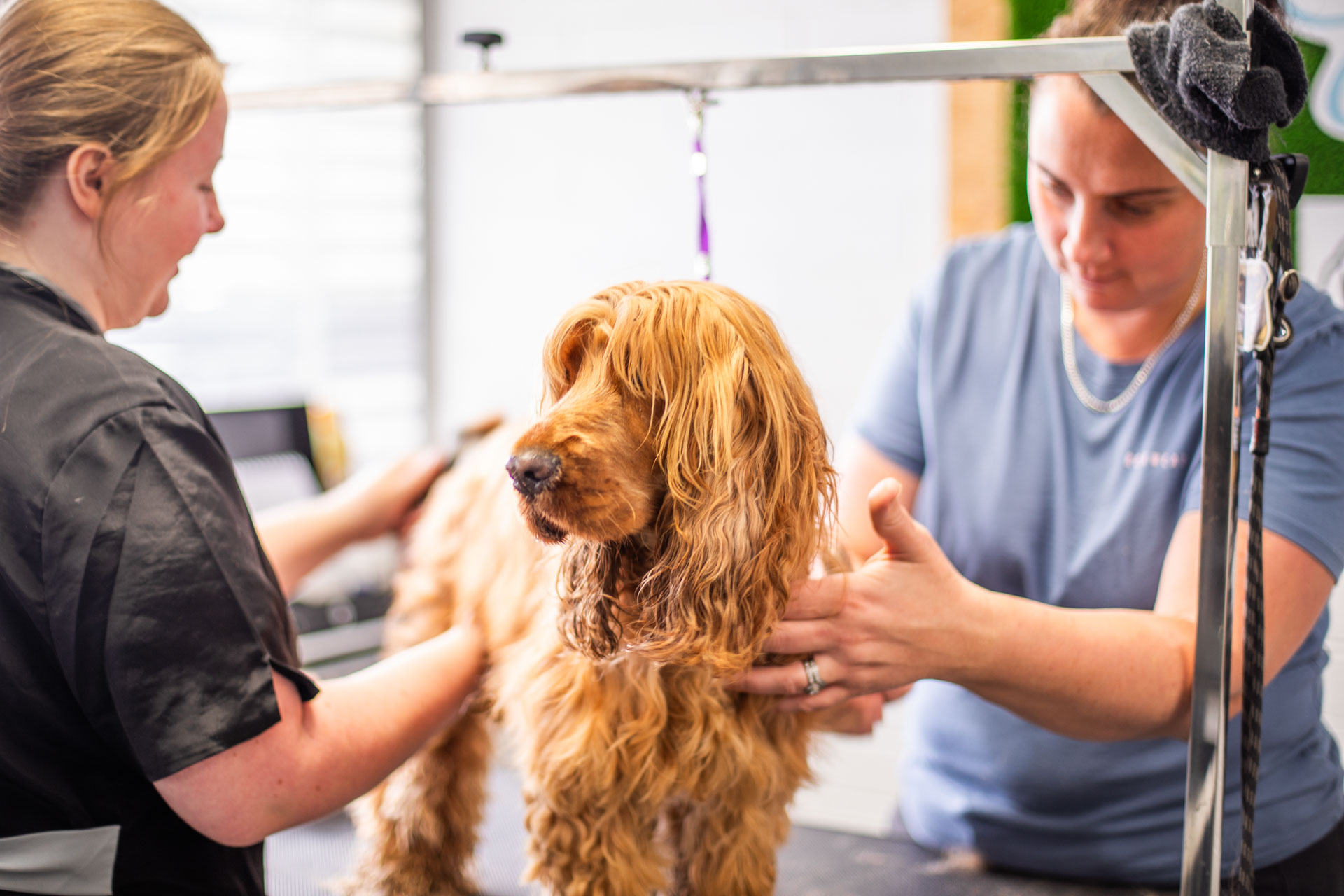

How Often Should You Groom Your Dog?
Grooming isn’t just about keeping your dog looking good — it’s about keeping them comfortable, healthy, and easy to live with. At Barkley Park, we keep things straightforward. No overcomplication, no one-size-fits-all answers — just what works for your dog.
Read More →